The corporate campaign to shield open-weight AI models from US restrictions expanded fast this weekend. A policy letter published Friday, July 24 with 25 signatories now carries 35 names on Microsoft's website, with OpenAI among the additions, a 40 percent jump in roughly a day.
The letter, titled Open Weights and American AI Leadership, urges Washington to avoid premature restrictions on models that anyone can download, inspect, modify, and run on their own hardware. Nvidia chief executive Jensen Huang fronted the release with his first post on X, which drew more than 11 million views, arguing that open models "strengthen safety and cybersecurity."
The Quiet Signature Everyone Noticed
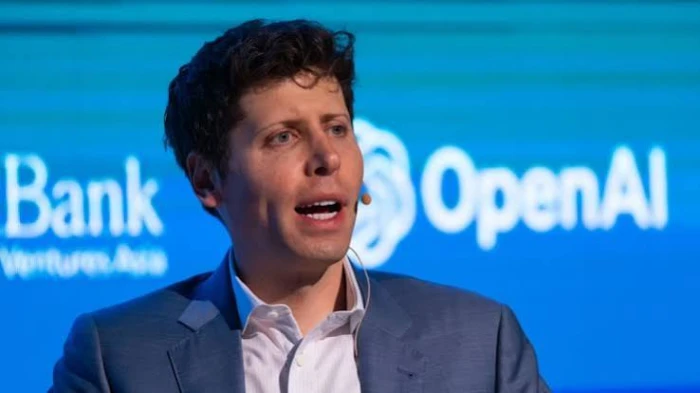
OpenAI did not appear on the original launch-day document. By Friday evening the company's name had been added to the signatory list published by Microsoft, its largest investor, and OpenAI has not commented on the decision. Sam Altman posted earlier that day that he wanted the US to win in "both open source and proprietary models."
A community note under Altman's post, claiming OpenAI had refused to sign, was still visible after the company joined.
The list has kept growing since. Microsoft's page now names 35 backers, up from the 25 on Nvidia's initial document, spanning chipmakers, cloud operators, enterprise software vendors, and venture funds. Late additions include Nous Research, Prime Intellect, and OpenClaw. The holdouts are as telling as the joiners: Google and Amazon have not signed, and neither has Anthropic. Elon Musk endorsed the message publicly without putting his name on it.
What the Letter Actually Asks For
The document leans on the history of the open-source software movement, arguing that freely downloadable model weights expand access to advanced AI and sharpen competition while reducing vendor lock-in. It concedes that released weights sit beyond the original developer's control and that modified versions become hard to trace, then argues prohibition is the wrong response because defenders need models as capable as the ones attackers use.
One passage matters most for the current fight. The signatories defend distillation, the practice of training one model on another's outputs, as a legitimate and widely used technique, and say unlawful extraction from closed models should be handled through targeted legal and commercial measures rather than sweeping restrictions on the method itself.
The China Fight Behind the Timing
That distinction lands in the middle of an escalating dispute. Moonshot AI released Kimi K3 on July 16, a 2.8 trillion parameter system billed as the largest open-weight model yet, with benchmark results strong enough to unsettle US labs. On Wednesday, White House science adviser Michael Kratsios accused the Chinese firm of building it through "large-scale, covert industrial distillation" of Anthropic's Fable model and of accessing restricted Nvidia GB300 chips through Thailand. Treasury Secretary Scott Bessent said sanctions and Entity List designations remain on the table, writing that "open source is not open season on American IP."
Independent researchers question the timeline, since Fable has only been publicly available since July 1, a narrow window for distillation at the alleged scale. Moonshot has not addressed the latest accusations. The administration is separately reported to be weighing a ban on Chinese open-weight models, a step the letter's signatories are plainly trying to head off even though the document never names China.
Wednesday Puts a Price on the Debate
The policy fight now runs straight into earnings week. Meta reports second-quarter results after the close on Wednesday, July 29, and Microsoft posts fiscal fourth-quarter numbers the same evening, with Amazon and Alphabet following later in the week. The four hyperscalers are on pace to spend roughly $725 billion on AI infrastructure in 2026, and investors want evidence that the outlay is turning into paid usage.
Meta has guided this year's capital spending to between $125 billion and $145 billion, and is reported to be in talks to lease computing power to Anthropic in a deal said to be worth around $10 billion over two years. Microsoft heads into its report with a $37 billion AI revenue run rate against quarterly capital spending expected to top $40 billion.
Cheap, capable open models cut both ways for those numbers. Lower model costs squeeze the pricing power of proprietary AI services, yet wider deployment fills the data centers the hyperscalers are racing to build, which helps explain why the chip seller signed first and the closed-model labs held out longest.


Comments 0
Join the discussion and share your perspective.
Sign in to post a comment and reply to other readers.
No comments yet
Be the first to share your perspective on this article.